
"fruit pulp"
4000 article(s) found

Coffee knowledge production method of high-quality coffee
After harvest, peel, pulp, racing peel and silver peel should be removed before shipping and listing. There are two kinds of methods: drying (also known as natural or non-washing) and washing. The drying method is relatively simple. First of all, spread the freshly harvested fruit on the sun field for a week or two until the fruit crackles and dries naturally. After that, the dried pulp is removed by a sheller.

What are the ways to dry coffee beans? What is the difference between coffee bean washing and sun marking?
Professional coffee knowledge exchange more coffee bean information Please pay attention to the coffee workshop (Wechat official account cafe_style) when buying coffee beans, we often see the words "Washed", "Natural", or "Honey". These are the ways to treat raw coffee beans, that is, the way they are dried. What exactly does it mean? For coffee.
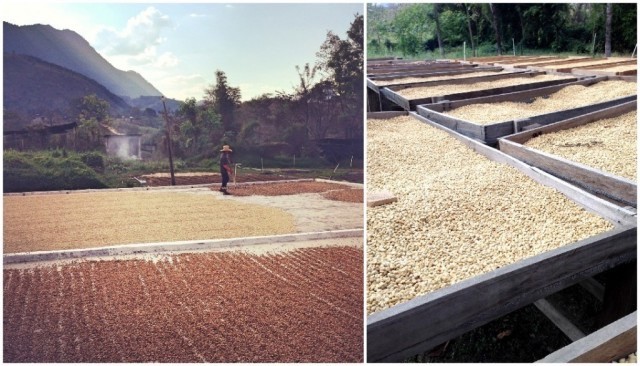
The treatment of coffee beans Coffee "honey treatment"
With the development of coffee today, the treatment of raw beans is mainly divided into water washing, sun exposure and the combination of the first two. Honey treatment belongs to the latter. To talk about honey treatment, we have to talk about boiling water washing and sun treatment from the coffee structure and the two oldest treatment methods. Coffee cherry structure from outside to inside Pulp: coffee cherry peel pulp Mucilage: pectin, gum. Save

Coffee internal structure layer decomposition, understand the coffee internal structure to give coffee flavor conditions!
Professional coffee knowledge exchange More coffee bean information Please pay attention to coffee workshop (Weixin Official Accounts cafe_style) Coffee tree is a perennial evergreen shrub or small tree belonging to Rubiaceae. The mature fruit of coffee tree is called coffee cherry in the industry because it is similar to cherry. This time it's not about coffee.

Classification of treatment methods? Insolation, half-sun, water washing, half-washing, what is the difference in honey treatment? Mouth
Professional coffee knowledge exchange more coffee bean information please follow the coffee workshop (Wechat official account cafe_style) treatment classification? Insolation, half-sun, water washing, half-washing, what is the difference in honey treatment? What are the differences in taste and flavor characteristics? After the planting and harvest of the manor, the next step is the most important step in addition to the variety and planting land: the post-treatment method. And

What are the characteristics of honey-treated coffee beans? Does honey treatment add honey? How to drink coffee with honey
Professional coffee knowledge exchange more coffee bean information Please follow the coffee workshop (Wechat official account cafe_style) take coffee beans from the fruit Coffee in order to get good quality, you need to pick by hand, and only pick the red ripe fruit that happens to be at the peak. It is not good to be too ripe, not to be ripe, or to fall to the ground and let it rot. Like tea, it uses a lot of machines.

What are the different methods of coffee treatment? what are the differences in the flavor of coffee?
Tanning is a traditional method for the initial processing of coffee beans, and at present, almost all coffee-growing countries such as Ethiopia and Yemen still use solarization to treat raw beans. The sun treatment will first spread the ripe or half-ripe beans in the drying farm for natural drying. The specific time depends on the local climatic conditions, which usually takes two to four weeks. When the moisture of coffee beans

What are the ways to treat coffee beans? What are the characteristics of honey-treated coffee beans?
Professional coffee knowledge exchange more coffee bean information please follow the coffee workshop (Wechat official account cafe_style) what are the coffee bean treatment methods? What are the characteristics of honey-treated coffee beans? After the planting and harvest of the manor, the following is the most important step in addition to the variety and planting land: the "post-treatment method". At present, most of the treatments are treated in the sun.

What is the structure of coffee fruit? can you eat it? seven structural effects and functions of peeling coffee fruit layer by layer
Professional coffee knowledge exchange more coffee bean information please follow the coffee workshop (Wechat official account cafe_style) front street-coffee bean structure introduction coffee fruit has many layers from the inside out, the outermost is: coffee peel. Depending on the variety, the color of the coffee pericarp will start from the beginning with the process of maturity.

Coffee knowledge | Life Journey of Coffee trees
Professional baristas please pay attention to coffee workshop (Wechat official account cafe_style) Coffee, as a perennial evergreen shrub or small tree of Rubiaceae, is a horticultural perennial cash crop. The life of a coffee tree is generally divided into these stages: (1) the seedling stage is the period from the germination of seeds (or cuttings, grafting) to the emergence of seedlings (the stage of raising seedlings in the nursery).
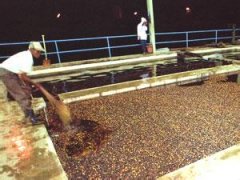
Introduction to the treatment of raw coffee beans-washing method
Coffee washing began in the mid-18th century. In the washing process, the pulp of the coffee fruit (red cherry) is first removed, then the residual mucous membrane on the inner pericarp is removed by a fermentation tank, and the beans are washed and dried. The difference between the non-washing method and the water washing method is that the non-washing method is to remove the pulp after drying, while the washing method is to remove the pulp before drying. Washing can pass every step.

What are the advantages and disadvantages of sun treatment of raw coffee beans? What's the flavor of sun-dried coffee beans? There are some sun treatments.
Professional coffee knowledge exchange more information about coffee beans Please pay attention to the advantages and disadvantages of sun treatment of raw coffee beans in coffee workshop (Wechat official account cafe_style). What's the flavor of sun-dried coffee beans? What is the subdivision of sun treatment? So the sun-dried beans are directly exposed to the coffee cherry (fruit) in the most primitive and natural way, and then the fruit is dried.
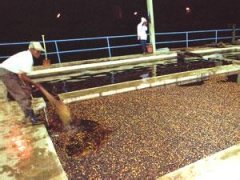
Introduction of water washing method for the treatment of raw coffee beans
Coffee washing began in the mid-18th century. In the washing process, the pulp of the coffee fruit (red cherry) is first removed, then the residual mucous membrane on the inner pericarp is removed by a fermentation tank, and the beans are washed and dried. The difference between the non-washing method and the water washing method is that the non-washing method is to remove the pulp after drying, while the washing method is to remove the pulp before drying. Washing can pass every step.

Introduction to the graphic framework of coffee fruit decomposition diagram
Introduction to honey treatment: honey treatment, called HoneyProcess or MielProcess, honey treatment means peeling off the pulp and drying the fruit with endocarp. Coffee roasting is a science. The age, density, firmness and moisture content of raw beans will affect the quality of roasted coffee; even the relative humidity and temperature on the day of roasting

What is the name of the peel on the outside of the coffee fruit? efficacy and function
What is the outer skin of the coffee fruit called? efficacy and function the coffee fruit is covered with a hard outer skin (cut skin), an inner layer of gelatinous pulp (pulp), an inner layer of endocarp (parchament), and a skin tightly wrapped around the seeds called silver skin, and the inside is wrapped in green seeds, that is, coffee beans. Seeds are usually in groups of two

Good mellow natural washing coffee washing processing method step by step processing method
1 Skin/Pulp: the outermost layer of the coffee bean is covered with berry-like skin and pulp. In addition to the natural sun method, coffee beans treated by other methods must remove the skin and flesh within a few hours after picking. Similar to the cherries we often eat, the difference is that when we eat cherries, we mainly eat the pulp and peel of berries. For coffee.

Coffee beans must be stored in a dry environment to explain coffee bean preservation skills (2)
Two methods of coffee bean production after harvest to the market before shipment to remove the skin, pulp, skin and silver. There are two methods: drying (also known as natural method or non-washing) and washing. Dry type: The method is relatively simple. First of all, the fruit will be just picked widely spread in the sun for a week or two, until the fruit issued a cracking sound so far, natural drying. After that, with
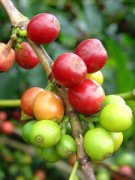
What is honey treatment? Costa Rican honey treated boutique coffee beans
Honey treatment is a kind of treatment between sun treatment and water washing. It keeps the coffee clean by washing, and because it is dried in the sun together with the pulp mucosa, it greatly increases the sweetness and caramel flavor of the coffee (the sugar content of the pulp mucosa is extremely high). Honey treatment first appeared in Costa Rica in Central America, mainly because of some high elevations in Central America.

The life journey of coffee trees, from the planting of coffee trees to the harvest of coffee beans
(1) the seedling stage is the period from the germination of seeds (or cuttings or grafting) to the emergence of seedlings (the stage of raising seedlings in the nursery), about 0.5-1.5 years. After the coffee seeds were sown, the cotyledons began to be unearthed after a period of germination, which took about 30-100 days, and the length of time was closely related to temperature and humidity. Cotyledons must be removed after germination

The purification and selection of Coffee: the treatment of Raw beans
The process of extracting seeds from the fruit, called refining, can be divided into three methods: 1, DRY-METHOD: the coffee fruit is widely distributed on the sun field for 2 weeks, raked and swept several times a day, so that the coffee beans can be dried more evenly. When dried, the coffee beans are separated from the skin, and the dried pulp and peel are removed by a sheller, then screened and